Best Twitch Streaming Setup 2026: Complete Gear Guide
Build a professional Twitch or YouTube streaming setup with proven gear — from $500 starter kit to $5,000 pro studio.
Building a Streaming Setup That Actually Looks Professional
The difference between a casual stream and a professional one comes down to four elements: camera, microphone, lighting, and stream control. We've tested every category-leading product in 2026 and assembled this guide based on six months of nightly streaming. Whether you're starting fresh with $500 or building a $5,000 pro studio, every piece of gear here punches above its price.
Tier 1: Starter Streaming Kit (~$500)
For new streamers, focus on essentials. Skip the streaming PC and webcam — your existing gaming PC handles streaming with NVENC encoding, and your phone often beats $50 webcams.
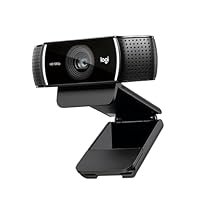
Camera: Logitech C922x Pro Stream
Logitech C922x Pro Stream Webcam
The C922x is the entry-level streamer's go-to webcam. Auto-focus tracks your face accurately. Color reproduction is warmer than the C920, better for typical streaming lighting. Includes a 6-month XSplit Premium license.
Microphone: HyperX QuadCast S
HyperX QuadCast S
The QuadCast S is the most popular streaming microphone for a reason. Crystal-clear audio out of the box, no engineering required. Built-in shock mount eliminates desk vibrations. RGB lighting integrates with HyperX NGENUITY software.

Lighting: Elgato Key Light Air (single unit)
Elgato Key Light Air
Replace harsh overhead lighting with a single Key Light Air. Mount on the back edge of your desk. Adjust brightness and color temperature via the Elgato app or Stream Deck integration. Soft, even illumination eliminates shadows under eyes.

Tier 2: Mid-Range Studio (~$1,500)
Camera Upgrade: Sony ZV-1F
Sony ZV-1F Vlogging Camera
The ZV-1F transforms stream visual quality. Real bokeh background blur (not software-faked) gives depth-of-field that webcams simply cannot match. 4K capture downsampled to 1080p produces crisper streams. Use the Sony Imaging Edge desktop app for clean HDMI output without recording limit.

Microphone Upgrade: Shure MV7
Shure MV7 Podcast Microphone
The MV7 is the broadcast microphone of choice for podcasters and streamers. Dynamic capsule rejects background noise dramatically better than condenser mics like the QuadCast. USB connection works immediately, with XLR upgrade path for future audio interface upgrades.

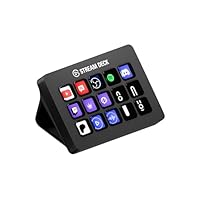
Stream Control: Elgato Stream Deck MK.2
Elgato Stream Deck MK.2
The Stream Deck transforms streaming workflow. Pre-program scene changes, audio mute, screen overlays, chat moderation, and Twitch panels. The 15 keys offer unlimited functions through pages and folders. Pair with our free Initiative Tracker for D&D streamers.
Tier 3: Professional Studio (~$5,000)
Camera: Sony A6700 + 16-50mm OSS Kit
Sony Alpha A6700 Mirrorless Camera Kit
For pro streamers ready to invest in cinema-quality video, the A6700 delivers Hollywood-grade image quality. Pair with a USB capture card (Elgato Cam Link 4K, $129) for clean HDMI input to OBS. The shallow depth of field looks professional in every frame.

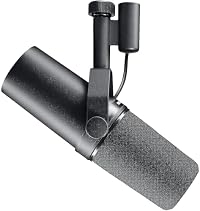
Microphone: Shure SM7B + Cloudlifter CL-1
Shure SM7B + Cloudlifter CL-1 Bundle
The Shure SM7B is THE broadcast microphone — used by Joe Rogan, Tim Ferriss, and every major podcaster. Requires an audio interface with phantom power and the Cloudlifter for clean gain. Once configured, the sound quality is unmatched for spoken voice. Worth the complexity if you stream for a living.
Capture Card: Elgato 4K X
Elgato 4K X Capture Card
For console streamers (PS5, Xbox Series X, Switch 2) or those streaming from a separate gaming PC, the 4K X delivers true 4K HDR capture. Zero-lag passthrough means you play on your TV at full quality while streaming.

Lighting Setup: 3-Point Lighting Done Right
Professional streams use 3-point lighting: key light (main illumination, 45-degree angle from face), fill light (softens shadows, opposite side at lower intensity), back light (separates subject from background, behind streamer). Two Elgato Key Lights plus an RGB strip behind your gaming chair achieves all three points for under $400.
Streaming Software
OBS Studio (free) handles 95% of streaming needs. Streamlabs Desktop adds chat overlays and Cloudbot but uses more system resources. For multi-streaming to Twitch + YouTube + Kick simultaneously, use Restream.io ($16/month). Premium streamers using clean OBS with custom CSS overlays look more professional than over-saturated Streamlabs setups.
Audio Quality: The Hidden Differentiator
Viewers tolerate mediocre video quality but immediately bounce from streams with bad audio. Top audio improvements: 1) Dynamic microphone (SM7B, Shure MV7) over condenser. 2) Acoustic foam panels behind your camera position. 3) NVIDIA Broadcast (free) for AI-powered noise reduction. 4) RTX Voice eliminates keyboard clicks and fan noise from your stream.
Combine your stream with our free tools — the Dice Roller works great as an OBS browser source for D&D actual play streams. Use the Initiative Tracker for combat encounter visibility.
Frequently Asked Questions
Do I need a separate streaming PC?
Not in 2026. Modern GPUs with NVENC encoding handle streaming with under 5% performance impact. A single high-end PC with RTX 4070 or better runs games and stream simultaneously without quality compromise. Two-PC setups are only necessary for ultra-high-end streamers running multiple capture devices.
Webcam or DSLR/mirrorless camera?
DSLR/mirrorless wins on image quality but requires capture card and more setup. The Sony ZV-1F at $499 hits the sweet spot — superior to webcams without DSLR complexity. For most streamers under 1,000 concurrent viewers, the ZV-1F is sufficient. Above that, Sony A6700 or similar.
USB or XLR microphone for streaming?
USB for simplicity (HyperX QuadCast S, Shure MV7), XLR for quality (Shure SM7B). XLR requires an audio interface (Focusrite Scarlett Solo, ~$120) and Cloudlifter for clean gain on dynamic mics. Pro streamers eventually move to XLR; new streamers should start USB.
How much should I spend on a streaming setup?
Tier 1 ($500): C922x webcam, QuadCast S mic, single Key Light. Tier 2 ($1,500): Sony ZV-1F, Shure MV7, Stream Deck, dual Key Lights. Tier 3 ($5,000+): Sony A6700, Shure SM7B + interface, capture card, full 3-point lighting. Most streamers should start Tier 1 and upgrade as audience grows.
Is the Elgato Stream Deck worth it?
Yes for any streamer doing more than 1 stream per week. The MK.2 ($149) automates scene changes, mic mutes, chat commands, and OBS controls. Pays for itself in workflow efficiency within 30 days. The Stream Deck XL ($249) for 32 keys is excellent for advanced streamers managing multiple scenes.