D&D 5e Character Builder Guide: Step-by-Step Character Creation
Build a powerful, role-played, optimized D&D 5e character with this comprehensive guide — from background concept to mechanical optimization.
How to Build a D&D 5e Character: Complete 6-Step Process
Building a D&D character that works mechanically and feels rewarding to play takes more than rolling dice and picking a class. This guide walks through the proven 6-step process used by veteran players and Dungeon Masters to create characters who shine in combat, role-play, and exploration. Use our free D&D Character Generator alongside this guide to speed up rolls and references.
Step 1: Concept Before Mechanics
Before opening the Player's Handbook, answer these questions: What does your character want? What did they leave behind? Who do they love or hate? Why are they an adventurer rather than living a normal life? Write down a 3-sentence character concept. This concept will guide every later choice and prevent the common mistake of meta-gaming a build that has no soul.
Example: "A retired blacksmith who took up arms again after raiders killed his apprentice. He seeks vengeance but fears becoming what he hunts. He carries his apprentice's incomplete sword as both burden and goal." From this concept emerge natural class choices (Fighter or Paladin), background (Guild Artisan), and personality traits.
Step 2: Choose Your Class
D&D 5e has 13 classes, each with sub-class options. Match your concept to mechanical pillars:
Combat-Focused Classes
- Fighter — Versatile martial. Best for newcomers. Battle Master, Eldritch Knight, and Champion subclasses cover diverse playstyles.
- Barbarian — Raw damage and tankiness. Path of the Zealot for fanatic warriors, Path of the Beast for shapeshifting strikes.
- Paladin — Hybrid martial-caster with strong support. Oath of Devotion for classic knight, Oath of Conquest for darker themes.
- Monk — Mobile martial with magic-like abilities. Way of Shadow excels in stealth campaigns.
Caster Classes
- Wizard — Arcane scholar with the largest spell list. Most versatile spellcaster. Diviner subclass excels for tactical play.
- Sorcerer — Innate magic with metamagic flexibility. Smaller spell list but spammable.
- Cleric — Divine caster, excellent support and healing. Domain choice (War, Light, Knowledge) defines playstyle.
- Druid — Nature magic with wild shape transformation. Circle of the Moon for combat shapeshifting.
- Warlock — Pact magic with short-rest recharge. Hexblade subclass is the most popular for Charisma-based melee.
- Bard — Charisma-based support and skill monkey. College of Lore for spell flexibility, Valor for melee viability.
Hybrid & Unique Classes
- Rogue — Skill specialist with massive Sneak Attack damage. Arcane Trickster adds spellcasting.
- Ranger — Skirmisher with limited spellcasting. Gloomstalker excels at burst damage.
- Artificer — Tinkering specialist with magical items. Battle Smith pairs with a steel defender pet.
Step 3: Race Selection (Now Called Species)
2024 D&D changed race mechanics — ability score increases now come from background, not species. Choose species for flavor, racial features (Darkvision, breath weapons, magical abilities), and aesthetic. Top picks for new players:
- Human — Versatile feat option, simple flavor.
- Half-Elf — Versatile bonus skills, fey heritage.
- Dwarf — Sturdy, Darkvision, weapon proficiencies.
- Tiefling — Innate spellcasting, dramatic appearance.
- Dragonborn — Breath weapon, ancestry choice.
Step 4: Background and Stats
Background grants two ability score increases (one +2, one +1, or three +1s), proficiencies, equipment, and a feat. Choose backgrounds that complement your concept and class — a Wizard with the Sage background gains research expertise; a Fighter with Soldier gains martial skill. Standard array (15, 14, 13, 12, 10, 8) is recommended for new players over rolling dice.
Step 5: Spell and Equipment Selection
For casters, spell selection makes or breaks character viability. At low levels, prioritize: 1 reliable damage spell, 1 utility spell, 1 control spell, 1 buff/healing. Wizard low-level essentials: Shield, Magic Missile, Mage Armor, Find Familiar, Detect Magic. Cleric essentials: Bless, Healing Word, Shield of Faith, Guidance, Sacred Flame. Bard essentials: Healing Word, Vicious Mockery, Disguise Self, Faerie Fire.
Step 6: Personality, Bonds, and Flaws
Mechanical optimization without role-play depth makes for a forgettable character. Roll or write 2 personality traits, 1 ideal, 1 bond, and 1 flaw. Reference these during sessions. The best characters lean into their flaws — a Paladin's pride, a Rogue's greed, a Wizard's curiosity.
Multiclassing: When and How
Multiclassing trades single-class power for versatility. Best multiclass dips: Paladin 2 / Sorcerer X for divine smite + spellcasting. Warlock 2 / Sorcerer X for short-rest spell slots. Fighter 1 / Wizard X for armor and weapon proficiency. Avoid multiclassing in your first character — single-class progression is rewarding and easier to play.
Essential Books and Resources
- Player's Handbook (2024) — Core rules. Required for any player.
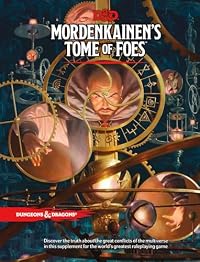
- Xanathar's Guide to Everything — More subclasses, spells, and player options.
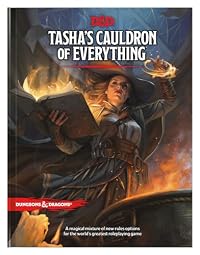
- Tasha's Cauldron of Everything — Customization rules, more subclasses.
- D&D Beyond subscription — Digital character sheet, official tools.
- Free tools: Our Character Generator, Dice Roller, and Initiative Tracker.

Top Mistakes New Players Make
Optimization over fun: Building a min-maxed character without role-play hooks leads to player burnout. Choosing class before concept: Class should serve the character vision. Ignoring backstory: Discuss with your DM how your backstory connects to the campaign. Avoiding teamwork: Build characters that complement the party. Five high-damage Fighters is less effective than a balanced party.
Quick Class Picker for New Players
| Playstyle | Recommended Class | Reason |
|---|---|---|
| Smash things | Barbarian or Fighter | Simple, powerful, fun |
| Cast spells | Wizard or Sorcerer | Wizard for variety, Sorcerer for simplicity |
| Heal allies | Cleric (Life Domain) | Most versatile healer |
| Sneak around | Rogue (Thief) | Skill specialist, fun gameplay |
| Talk and persuade | Bard (Lore) | Best skill character with magic |
| Be a knight | Paladin (Devotion) | Hybrid combat-divine, satisfying |
Speed up rolls and references with our D&D Dice Roller. Track combat encounters with the Initiative Tracker and check encounter difficulty with our Encounter Calculator.
Frequently Asked Questions
What's the easiest D&D 5e class for beginners?
Champion Fighter is the simplest class — straightforward combat with few choices each turn. Barbarian (Berserker) is similar. Both let new players focus on roleplay and tactical positioning rather than complex resource management. Wizards and Druids have steepest learning curves due to spell selection complexity.
Should I roll stats or use point buy?
Use Standard Array (15,14,13,12,10,8) for your first character. Rolling 4d6-drop-lowest creates wild variance and unbalanced characters. Point buy is mechanically equivalent to standard array but requires more math. Use rolling only when your DM enforces it.
How do I multiclass effectively in 5e?
Multiclass only after fully understanding your primary class. Best dips: Paladin 2 (Smite + Divine Sense), Warlock 1-2 (Hex + Eldritch Blast), Fighter 1 (armor proficiency, Action Surge), Cleric 1 (Bless + heavy armor for Twilight Domain). Always check the multiclass prerequisites — most require 13 in primary stat plus secondary stat.
How long does character creation take?
First-time players spend 1-2 hours. Experienced players take 30-45 minutes. Use our D&D Character Generator to skip mechanical setup and focus on backstory creation. D&D Beyond's character creator handles math automatically.
What's the best D&D class for storytelling?
Bard (Lore) excels at storytelling — high Charisma, expansive skill list, magic that fits any narrative. Warlock with patron-focused backstory creates inherent drama. Cleric with conflicted faith offers role-play depth. Class doesn't define storytelling — your character concept does.