D&D Spellbook Organizer: Best Tools for Managing Spells
Master your spell list with the best digital and physical spellbook organizers — reviewed for D&D 5e wizards, clerics, sorcerers, and bards.
Why Spellbook Organization Matters
By 5th level, a Wizard knows 17+ spells. By 11th level, that number explodes to 30+. Without organization, casters waste 5-10 minutes per turn flipping through the Player's Handbook checking spell ranges, durations, and saving throws. Worse, players forget powerful situational spells (Wall of Force, Forcecage, Counterspell) at critical moments. The right spellbook organization system saves 30+ minutes per session and makes your spellcaster terrifying to enemies.
Top 5 Digital Spellbook Tools
1. D&D Beyond — Best Official Tool
D&D Beyond ($5.99/month subscription) integrates spell management with full character sheets. Spells are tagged by school, ritual, concentration, and components. The mobile app provides instant lookup at the table. Filtering by class, level, and search keyword finds any spell in 2 seconds. Drawback: requires owning digital books separately ($30-60 each), though Master Tier subscription unlocks all official content.

2. Roll20 + Beacon — Best for Online Play
If your group plays via Roll20, the integrated character sheet handles spells natively. Beacon (Critical Role's tool) offers a polished alternative for $9.99/month. Both auto-roll attacks and damage when clicking spells, dramatically speeding up combat.
3. Foundry VTT — Best for Self-Hosted
One-time $50 purchase, no subscription. Foundry's spell automation is the most powerful in the industry. Drag spells onto enemies and watch the system handle saves, damage, and condition tracking. Steeper learning curve but unmatched once configured. Best for technical Dungeon Masters running long campaigns.
4. Demiplane Nexus — Newest Premium Option
Demiplane offers polished character sheets with built-in spell tracking. Mobile-first design works beautifully on phones and tablets at the physical table. $4.99/month for full Player's Handbook content access. Currently the prettiest digital spellbook on the market.
5. Free Tools — Our D&D Suite
Free options exist for casual players. Our D&D Dice Roller handles spell saves and damage rolls. The Initiative Tracker manages concentration and ongoing spell effects. Combine with paper notes for a $0 setup.
Top 4 Physical Spellbook Solutions
1. GameMaster Spellbook Cards
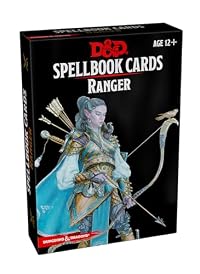
D&D Spellbook Cards (Wizards of the Coast)
Official spell cards for each class. Print-quality cardstock with all spell information on one card. Sort by level, organize by ritual/concentration. The Wizard deck has the most cards (200+). Perfect for in-person sessions.
2. Custom Binder System
For Wizards who learn spells through scrolls and copying, a custom 3-ring binder with section dividers per spell level creates an in-character spellbook. Print spell descriptions on tabbed inserts. Add notes about when you copied each spell. The most immersive solution for serious role-players.
3. Laminated Spell Reference Cards
Print spell summaries on index cards (3x5 or 4x6), laminate, and use a portable binder ring. Erase-and-rewrite with dry-erase markers for tracking spell slots used. Cheaper than official cards (~$0.50 per card), and you can include only the spells your character knows.
4. Real Leather Spellbook Binder
For dedicated Wizard players, leather-bound spellbooks like those from Etsy artisans turn your spellbook into a prop. Costs $50-150 but lasts forever and is genuinely magical at the table. Top pick: Galen Leather (Turkey-based) for handcrafted leather grimoires.

How to Organize Spells Effectively
Method 1: By Level Then Combat Function
The most common system: Sort spells by level, then within each level by function (damage, control, utility, healing). Tab pages by level. Use color codes for ritual (green), concentration (red), self-only (blue) spells. Quick to find any spell once organized.
Method 2: By Combat Round
For optimized casters, organize by typical combat usage: Round 1 buffs (Bless, Mage Armor pre-fight, Haste), Round 1 damage (Fireball, Spiritual Weapon), Reactive spells (Counterspell, Shield, Absorb Elements), Concentration spells (Hypnotic Pattern, Wall of Force, Bigby's Hand), Utility/Out-of-combat (Detect Magic, Identify, Locate Object).
Method 3: Combat vs Roleplay
Simplest sorting: split spells into "combat" and "exploration/social" decks. Reduces decision paralysis during fights when you only need to flip through 8-12 spells instead of 40.
Tracking Spell Slots and Concentration
Critical to gameplay flow. Solutions:
- Token system: Use poker chips, coins, or beads — one per spell slot. Move from one cup to another as slots are spent.
- Erasable card: Laminated cardstock with spell slot circles per level. Mark with dry-erase pen as slots are used.
- Concentration ribbon: Physical bookmark that marks the currently concentrated spell. Easy to see and remove when concentration breaks.
- Digital tracker: D&D Beyond's spell slot tracker auto-updates. Roll20 and Foundry handle slots and concentration via their character sheets.
Special Considerations by Class
Wizards have the largest spellbooks (everything they've copied) but only prepare a subset daily. Track "spellbook" separately from "prepared today." Sorcerers have small spell lists — index cards work perfectly. Clerics prepare from full class list daily. Use the official Cleric spellbook deck. Bards have spells known + Magical Secrets. Color code Magical Secrets distinctly.
The 1-Page Spellbook Summary
Regardless of system, every caster should maintain a 1-page summary listing: spell name, level, casting time, range, components, duration, and 1-line effect description. This sheet lives next to your character sheet for instant access. Reference the full spell description only when needed for edge cases.
Track combat with our free D&D Initiative Tracker and roll attacks with our Dice Roller. For new casters, see our D&D Character Builder Guide.
Frequently Asked Questions
What's the best D&D spellbook tool in 2026?
D&D Beyond ($5.99/month) for official integration with character sheets. Foundry VTT ($50 one-time) for power users. For free options, our Dice Roller + paper note system works well. Choose based on whether you play online (digital tools) or in-person (spell cards or binders).
Should I buy official D&D spellbook cards?
Yes, if you play in person and own the relevant rulebooks. Per-class decks ($15-25) put every spell at your fingertips without page-flipping. The Wizard deck (200+ cards) is the most valuable. Avoid if you only play digitally — D&D Beyond is faster than physical cards in online play.
How do I track concentration spells?
Physical: small ribbon or bookmark labeled 'concentration' next to the active spell card. Digital: D&D Beyond and Foundry VTT auto-track concentration. Always remind your DM when you take damage and need to make a concentration save (DC 10 or half damage, whichever is higher).
How many spells can a Wizard learn?
Wizards learn 6 spells at level 1, then 2 spells per level via leveling, plus any spells they copy from scrolls or other wizard's spellbooks. By level 20, a Wizard can know 44+ spells. Daily prepared spells = Intelligence modifier + Wizard level (typically 12-15 prepared at high level).
Can I organize spells alphabetically?
Yes, and many casters prefer this. Alphabetical sorting works best when you already know spell names by heart and need quick reference during gameplay. Less effective for newer players who think 'I need a damage spell' rather than 'I need Fireball.' Combine alphabetical within level-grouped sections for best results.